
Fruit in action: Kindness
Ash Leighton Plom
Prefer listening?
Ash Leighton Plom, an ordained minister specialising in chaplaincy, coaching and therapy, reflects on how kindness is an expression of God’s grace that enlarges our capacity to love others. This is part of our series on the fruit of the Spirit (featuring artwork by Daniel White).
Kindness beyond niceness
‘Be kind and compassionate to one another, forgiving each other, just as in Christ God forgave you.’ (Ephesians 4:32)
We often reduce the word ‘kindness’ to mean surface-level niceness or helpfulness, but as a fruit of the Spirit, kindness is in reality something far richer. The original Greek in Galatians – chréstotés – describes a tender graciousness towards others, adapting to them with compassion and putting them at ease.
‘Unconditional positive regard’ is foundational in much counselling practice, where the therapist seeks to communicate a person’s inherent value without first requiring them to prove themselves worthy of it. This can gently put people at ease to share openly, knowing they will be met with gracious compassion rather than judgemental rigidity.
I liken this concept of valuing people with unconditional positive regard to the biblical concepts of human value and unconditional love. The first book of the Bible describes humans as being made ‘in the image of God’ (Genesis 1:27), which connotes infinite value. But the same book introduces us to the messiness of sin, which renders our value harder to see and makes us harder to love. We are prone to greed, deceit and self-centredness, and so often fall short of the life God intends for us.
If love were based on merit or worthiness, none of us would qualify for it. It has to be gracious, freely given and undeserved. The Amplified Bible frequently expands grace as ‘unmerited favour’: being valued and loved not because we deserve it, but because of God’s generosity towards us. The connection between kindness, love and grace is reflected in older Bible translations, which sometimes use the word ‘lovingkindness’ to describe God’s faithful love towards his people.
Plenty of sermons and other Christian media acknowledge it is easier to view someone with positive regard – and show them love – when their words and actions seem to align with your own values and expectations. But ‘all have sinned and fall short’ (Romans 3:23) and when you know someone’s unworthiness, it can take this kind of grace – unmerited lovingkindness – to continue to view them with positivity.
Grace made visible
We see this in Jesus’ encounter with Zacchaeus. Despite Zacchaeus’ reputation as a tax collector, Jesus welcomes him and chooses to spend time with him. Grace becomes visible through kindness.
I distinctly remember when this reality came into view for me. A Navigator, Bernard Dishman, shared with me that we are each infinitely valuable, yet hopelessly flawed, and nevertheless graciously invited into the lovingkindness of God. Bern demonstrated this kind compassion from God, softening my defensiveness and opening me to the gospel.
But if kindness is an active way to show grace, like Jesus acting kindly to Zacchaeus, acting kindly also enlarges our capacity for grace. What I mean is that choosing to be kind towards a person (especially, ‘kinder than they deserve’) can help cultivate an attitude of grace or unmerited favour.
For example, seeking to see things from their perspective (their ‘frame of reference’) is a kindness I can offer a person, which can help suspend any judgement I might feel towards their behaviour, and instead graciously aid my understanding of what life is like for them.
So, when I tell people about God’s grace, I often describe it as God being kinder to us than we deserve. ‘While we were still sinners, Christ died for us’ (Romans 5:8).
Transformed by lovingkindness
I remember a formative experience of receiving God’s gracious love through the kindness of another person. My wife, Deborah, and I had just moved into our first house in Exeter together. We hadn’t built the bedframe in our bedroom yet, and the mattress was on the carpet. Our very first morning there, I knocked my cup of coffee over on the carpet right next to the bed. For me, this was a disaster. I was angry at myself, and felt I deserved any frustration Deborah might have towards me. But Deborah’s response was compassion and supportiveness. ‘Never mind,’ she said, ‘Let’s clean it up.’
The paradox of this kindness is that it enables positive growth and change. This is interwoven through the gospel: God does not wait for us to be worthy before he shows his love to us, and it is as we receive this grace that the Holy Spirit brings about authentic, fruitful transformation in us.
When I reflect on my own journey of faith, I see the same pattern. I found myself drawn into a new way of living, shaped by grace and God’s lovingkindness towards me. As I experienced this unconditional love from God, his kindness gave me the security to finally begin living into the fullness of life.
As disciples of Jesus, we’re commissioned by him to share this same kindness, spilling out like refreshing water to others, offering them grace and love.
Take a moment to reflect on what the fruit of kindness might look like in your life:
- How have you experienced kindness from someone else?
- Ask God to grow kindness in you. Don’t try to manufacture kindness out of your own effort – live in the reality that God treats you with gentle kindness today.
- How might your home, workplace, church or other networks change if you actively viewed and treated even the most difficult people in your life with more kindness?
Related Posts
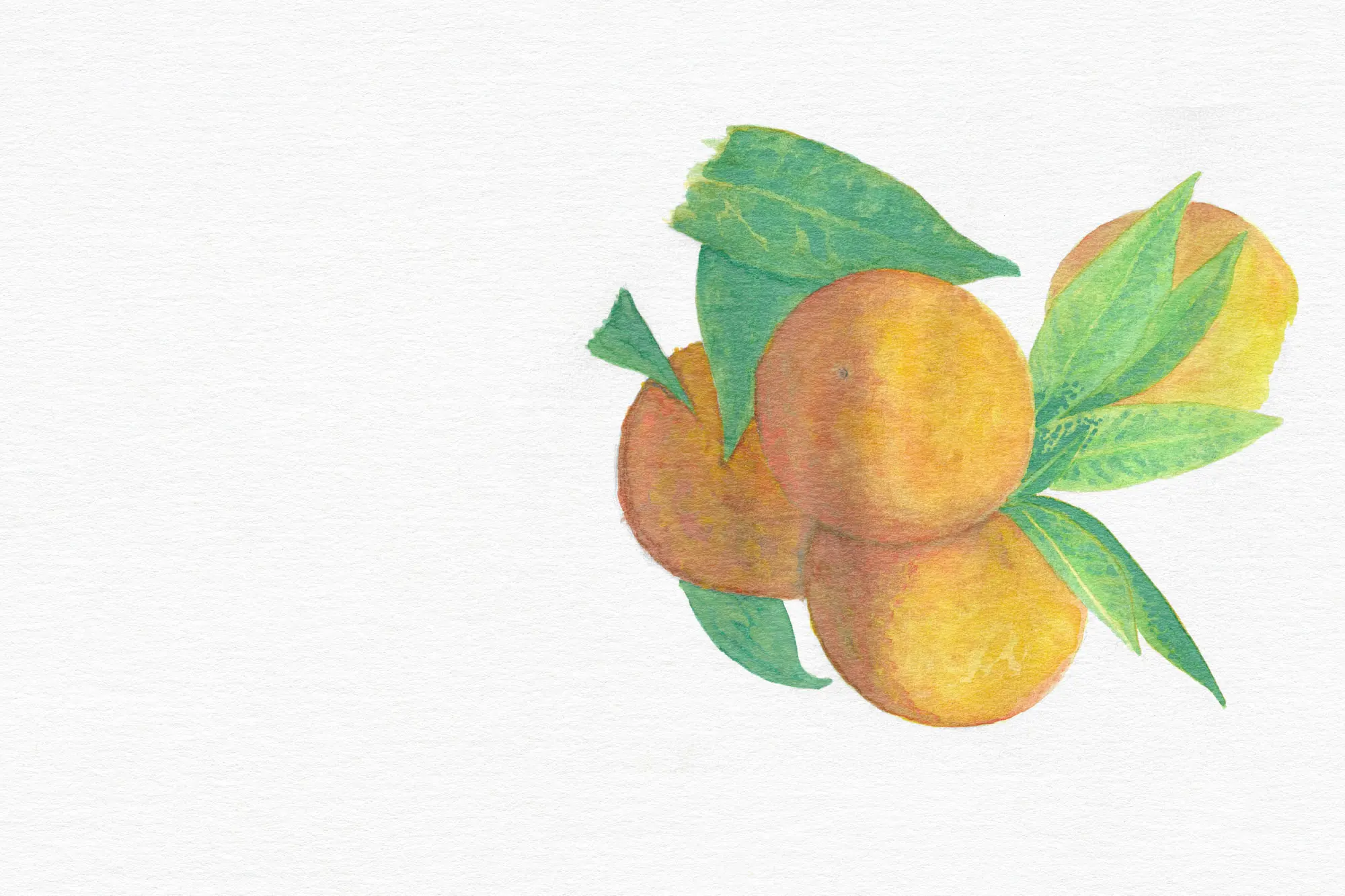
Fruit in Action: Faithfulness
Siku Kasongo, who serves with Navigators Zambia, tells an alongsider story that shows why faithfulness is less about perfection and more about simply keeping on showing up.
Fruit in Action: Goodness
Phil Watson, author of the Change Ready discussion guide series, reflects on four practical expressions of goodness in action from Paul’s letter to the Philippians. This is part of our series on the fruit of the Spirit (featuring artwork by Daniel White).
Fruit in Action: Patience
Google tells me that patience as a fruit of the Spirit (translated as ‘forbearance’ in the NIV) means being slow to anger and enduring harsh treatment or provocation without retaliating or seeking revenge. Older translations often use the word ‘longsuffering’.
Further Resources
Headliners
The key discipleship resources you need to start your journey.
Discipleship Weekly & Articles
An alongsider story or article to inspire you each week, delivered straight to your inbox.
Bookshop
All our recommended discipleship reading in one place.